

Physical therapy student finds purpose in the profession
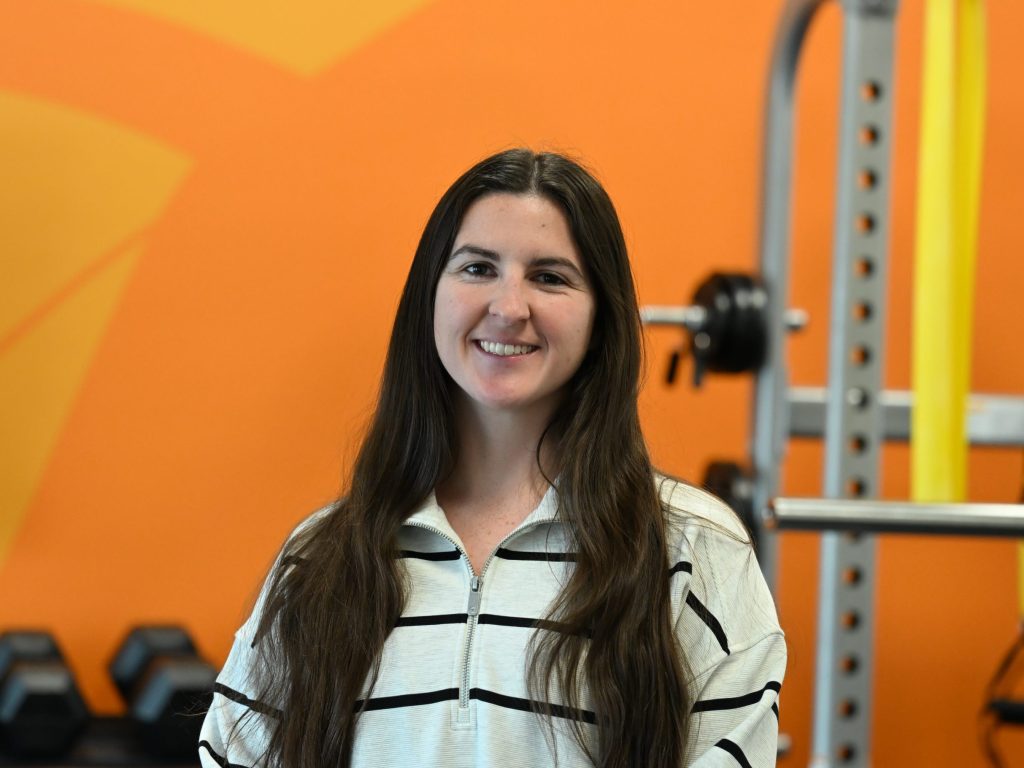

As she prepares to head into clinical rotations, Campbell University Doctor of Physical Therapy student Fallon Wimberly shares what inspired her to pursue physical therapy, why Campbell feels like home and what she loves most about the profession.
Fallon Wimberly
Why did you choose PT as a profession?
I chose physical therapy because movement has always been a meaningful part of my life. Growing up involved in sports gave me a strong appreciation for movement and for the professionals who help individuals stay healthy and active. I always knew I wanted to work in health care, and my interest in orthopedics aligned with my background and passion for physical activity.
What ultimately drew me to PT was the opportunity to form meaningful connections with patients and understand their experiences, motivations, and goals. While my initial exposure came through athletics, I believe movement is for everyone. I am passionate about working with individuals across the lifespan to help them move as well as possible for as long as possible.
My undergraduate degree in exercise science helped solidify this path early on by introducing me to the field of PT and the many ways PTs positively impact patients’ lives.
Why did you choose Campbell DPT?
I chose Campbell because it has always felt like home. I grew up in Harnett County and was introduced to Campbell early on through field trips to the Health Sciences Campus during high school. Those experiences made the university feel familiar and welcoming.
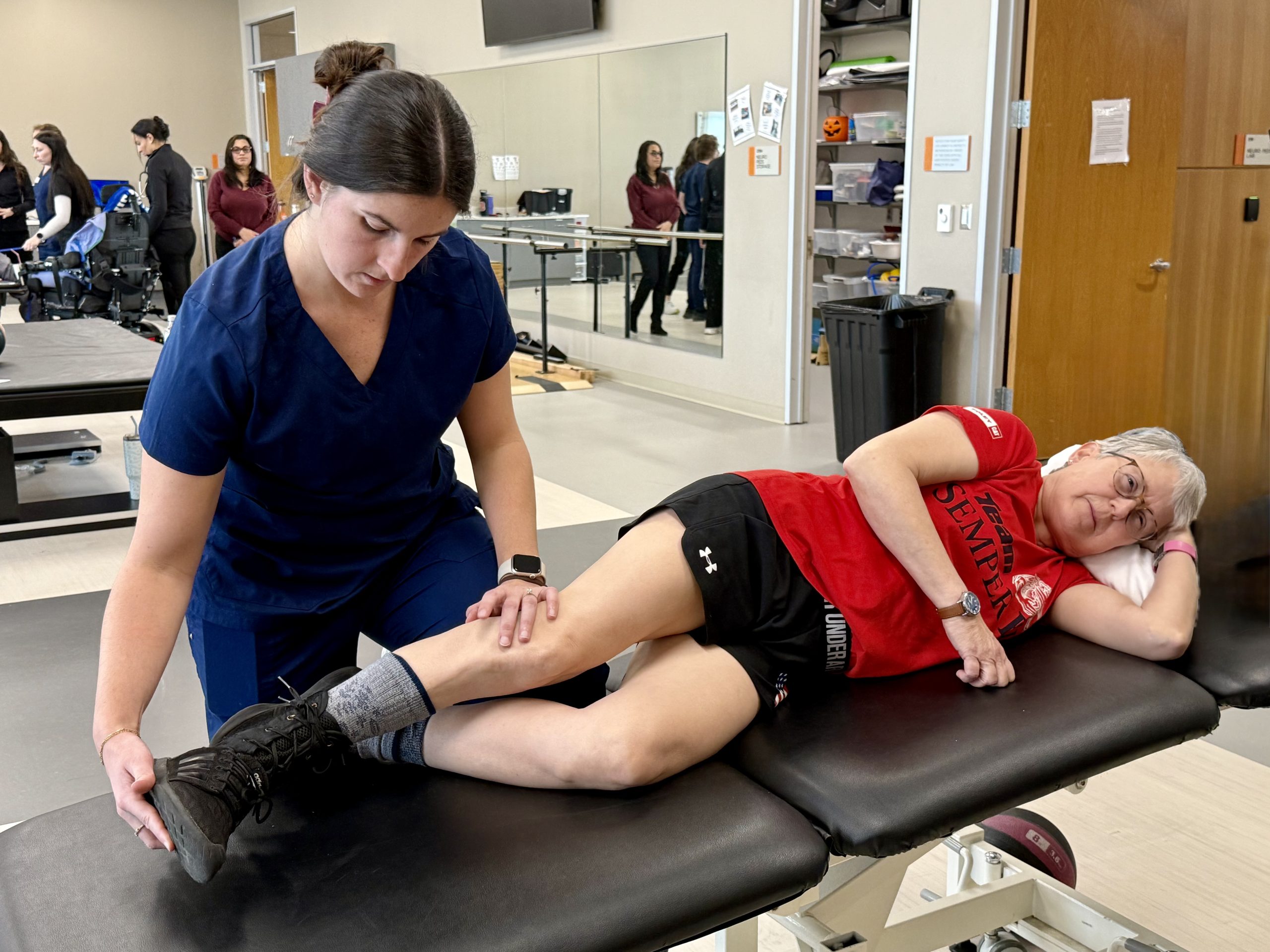
Choosing Campbell also felt like a way to give back to the community that helped shape me. The pro bono clinic and community wellness programs were major factors in my decision, as they allow students to gain hands-on experience while serving members of the local community. Having these opportunities built directly into the didactic curriculum gives students valuable real-world experience and helps prepare them for clinical rotations and their future careers as physical therapists.
Why do you feel like you belong at CU DPT?
I feel like I belong at Campbell’s Doctor of Physical Therapy program because it truly feels like home. The DPT faculty care deeply not only about your learning, but also about your why and who you are as a person. They are consistently approachable and make themselves available for questions, guidance, or even meaningful conversation. Beyond the DPT program, faculty from other departments and Campbell staff contribute to a welcoming campus environment where you feel known and supported. There is a genuine sense that everyone is invested in your success, and you can feel that they are cheering you on every step of the way.
How are you able to live out your calling inside the program?
I am able to live out my calling within the program by serving others through movement while building meaningful relationships with the people around me. Through opportunities like community wellness, I am able to apply what I am learning in the classroom to real people in the community, reinforcing my belief that movement is for everyone across the lifespan.
The curriculum challenges me to think critically and provide individualized, patient centered care. These experiences allow me to grow not only as a clinician, but also as an educator and advocate for my patients.
Additionally, the supportive environment at Campbell allows me to grow as a person while pursuing my professional goals. Being part of a program that values service, connection, and community enables me to live out my calling by helping others regain independence, confidence, and quality of life through movement.
What do you LOVE about the profession, program, and/or CPHS/Campbell?
What I love most about the PT profession and the Campbell community is the ability to form meaningful connections with patients while facilitating recovery through movement. It is incredibly rewarding to help people return to activities they love, regain independence, and sometimes achieve things they never thought would be possible again.
I also appreciate the variability within the profession and the constant problem solving that comes with patient care. Every patient is unique–how they learn, the impairments they face, and the ways those impairments impact their lives–which makes each plan of care different and engaging. I enjoy encouraging and motivating patients, especially during moments when progress may feel slow or difficult to see.
At Campbell, this passion is supported by a program that values patient-centered care, critical thinking, and meaningful human connection, all of which continue to shape how I view my role as a future PT.
What class has changed how you think about PT?
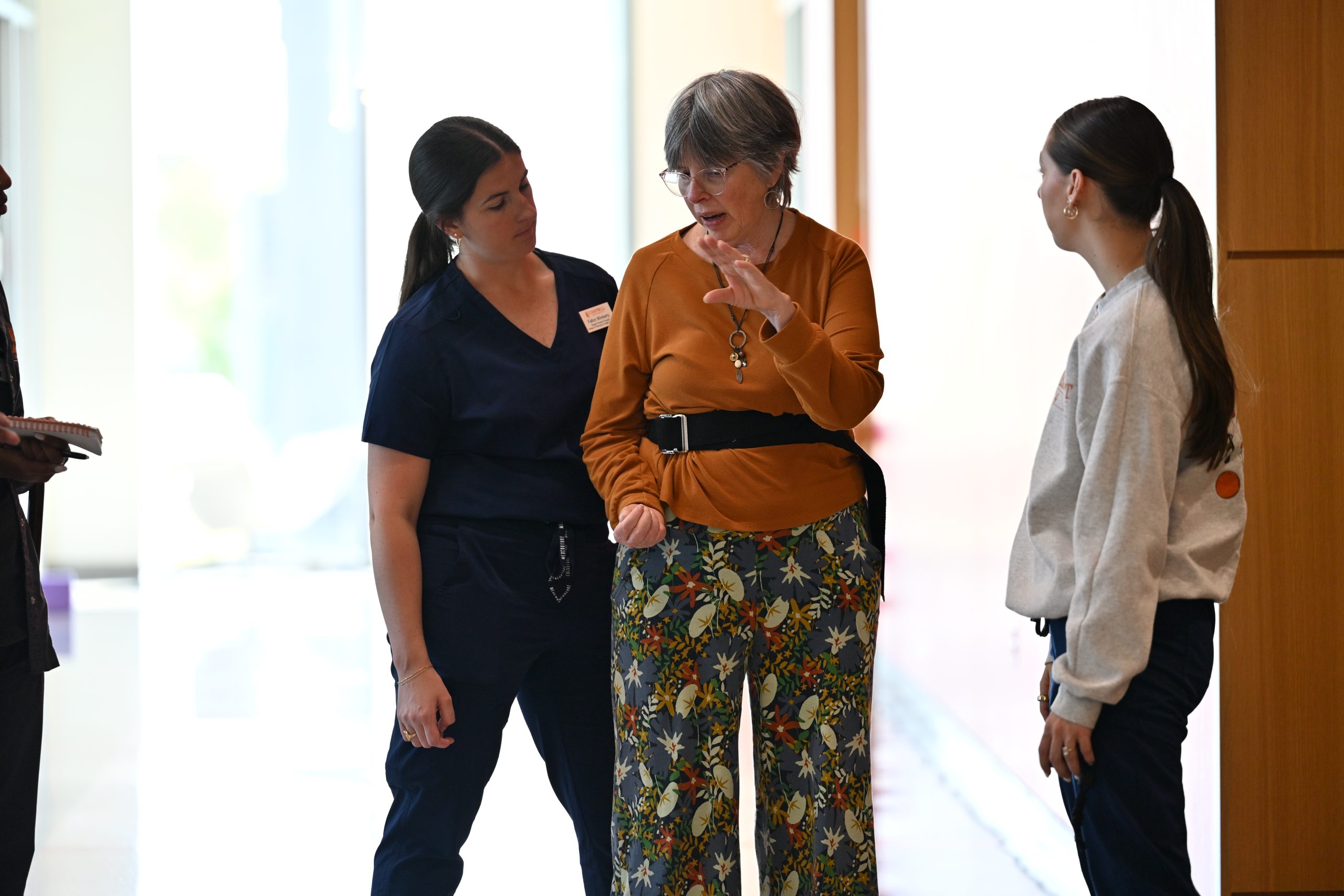
Motor Control is the class that most changed how I think about physical therapy. It challenged me to approach treatment with a more individualized mindset by considering each patient’s learning style, stage of learning, and the types of practice, feedback, and cueing strategies that best support their progress. I learned that patients with different conditions respond better to specific forms of feedback and practice schedules, which directly influences outcomes.
This course helped me recognize how my own teaching style and instruction can either enhance or hinder a patient’s recovery. I was able to easily relate these concepts to my experience coaching young female athletes one-on-one, drawing clear connections between how athletes learn skills and how patients learn movement. Being able to apply strategies I already use in coaching to future patient care made this class especially impactful.
You are about to head off to clinicals, what about that is most exciting to you?
As I prepare to head into clinicals, I am most excited to put my current knowledge into practice and continue learning through real-world experience and guidance from my clinical instructors. I look forward to seeing how the clinical setting compares to the community wellness environment we experience weekly.
I am also excited for the opportunity to evaluate and treat conditions and specific impairments that I have not yet been exposed to, allowing me to grow both clinically and professionally as I transition into the next phase of my training.
What would be your dream job inside the PT profession?
My dream job within the PT profession would be working in a private outpatient clinic that treats a diverse patient population, ranging from athletes to older adults. I value one-on-one care because it allows me to truly get to know each patient, walk alongside them throughout their plan of care, and celebrate as they achieve their goals and return to the activities that matter most to them.
Ideally, I would love to practice in the Wake County/Fuquay-Varina area, as this is where my family is and where I hope to build my own family. Being able to serve a community that feels like home while forming meaningful patient relationships would be incredibly rewarding.