

Women of Campbell Law: Talley Ridgeway ’26
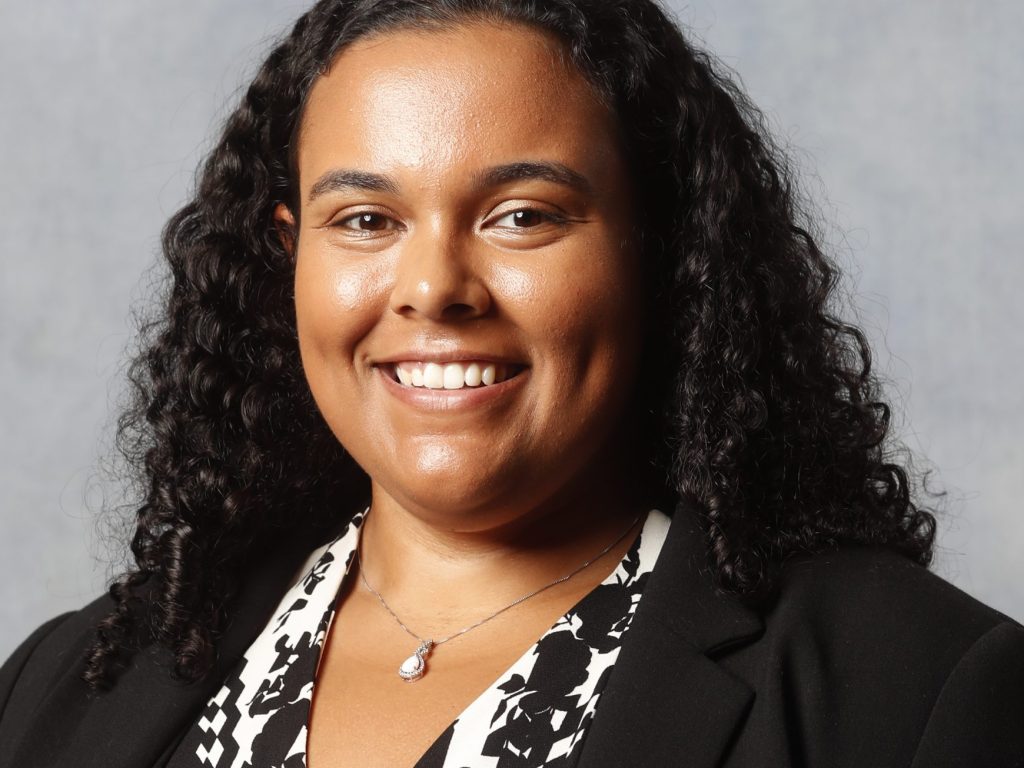

From her argumentative personality to her being a natural born leader as the eldest of five children, “lawyer” has always been the destiny for Talley Ridgeway ’26.
Today, that childhood label feels more like early foreshadowing.
A native of Dover, Delaware, Ridgeway set out to become a first-generation college graduate and first-generation law student. She put herself through undergraduate school, earning her political science degree from the University of Delaware in 2022 entirely on her own. After graduation, she spent a gap year teaching elementary students in Virginia, before receiving a scholarship offer to Campbell Law School, which she “couldn’t turn down.”
The opportunity to serve as a teaching scholar for Campbell Law Professor Bobbi Jo Boyd has been one of Ridgeway’s favorite experiences as a law student, though the impact has been far beyond the classroom.
Passion and Purpose
During a law school pro bono fair, Ridgeway found the Pro Bono Council and felt an immediate draw toward Capital Area Teen Court. “I saw my two passions meet,” she recalled, referring to the law and serving children.
Ridgeway serves as the Teen Court Project Manager, which she believes is one of the most meaningful community services provided by Campbell Law. She has the opportunity to represent children from as young as 7 to 17 (with exception of 18-year-olds who are still actively attending high school), most of whom have committed misdemeanor offenses and have admitted guilt for their wrongdoings. The program provides an alternative path focusing on growth rather than punishment.
Not wanting their mistake to follow them into adulthood, Ridgeway wants to “give the kids the second chance they deserve.”
Teen Court nights are held every other Tuesday, with the assistance of other Pro Bono Council alumni and youth volunteers, and help build a community of accountability, leadership and responsibility. Twice a year, there is youth attorney training for the broader community, said Ridgeway, who sees the work as deeply personal, “a no brainer” as she recalls always feeling the need to lead and manage.
Justice Isn’t One Size Fits All
Most cases heard in Teen Court are non-felony/misdemeanor offenses and often involve drug use and drug paraphernalia, fighting and theft and property damage.
Ridgeway’s compassion goes beyond justice, she said recalling one case that stands out. She helped not just the teen, but the whole family navigate through a tough situation including a language barrier. With permission from her client, Ridgeway said she was able to connect the family with outside resources and provide support beyond the courtroom.
“I did what I could, and that felt good,” she said. “The law and lawyers often speak Latin. I want to help children and families understand the big words and long text (in regard) to what is happening rather than feel overwhelmed and confused by the situation.”
Second chances are the root of her belief when it comes to her work, Ridgeway said. Seeing that kids are growing up in a different, more digital world, Ridgeway said she wants to help bridge the gap between punishment and rehabilitative opportunity. “Juvenile Court isn’t always the answer because justice isn’t always one size fits all,” she added.
Ridgeway said her background in education provides just the right amount of advocacy to see the decisions made from an academic perspective with empathy for keeping the child’s future in mind.
Advice for Future Law Students
Ridgeway passionately encourages first-year law students to get involved in Campbell Law’s Pro Bono Council. “Try it. What do you have to lose?,” she asks.
Her advice is to get students to find their passion and specific calling for law. The Pro Bono Council helps determine what area of law will suit students best or help them understand what field is perhaps not for them.
When it comes to juggling law school assignments and volunteer pro bono work, Ridgeway’s advice is: “Find what you’re passionate about. Don’t say yes to everything. Be realistic about your workload. Communication is key — no project manager wants you to fail law school.”
For Ridgeway, her future in law is beyond her representational duties. She says it’s about building better community, offering a second chance when necessary and being a mentor to the vulnerable.